

Sourcing furniture from Indonesia involves critical decisions, especially when considering OEM and ODM manufacturing models. As an experienced Indonesian furniture-export manager, I understand the unique needs of international wholesale buyers, including importers, retailers, interior designers, and hotel procurement teams. The choice between OEM and ODM can significantly impact your supply chain and product offerings, making it essential to evaluate each model’s benefits and constraints.
Understanding OEM Furniture Manufacturing
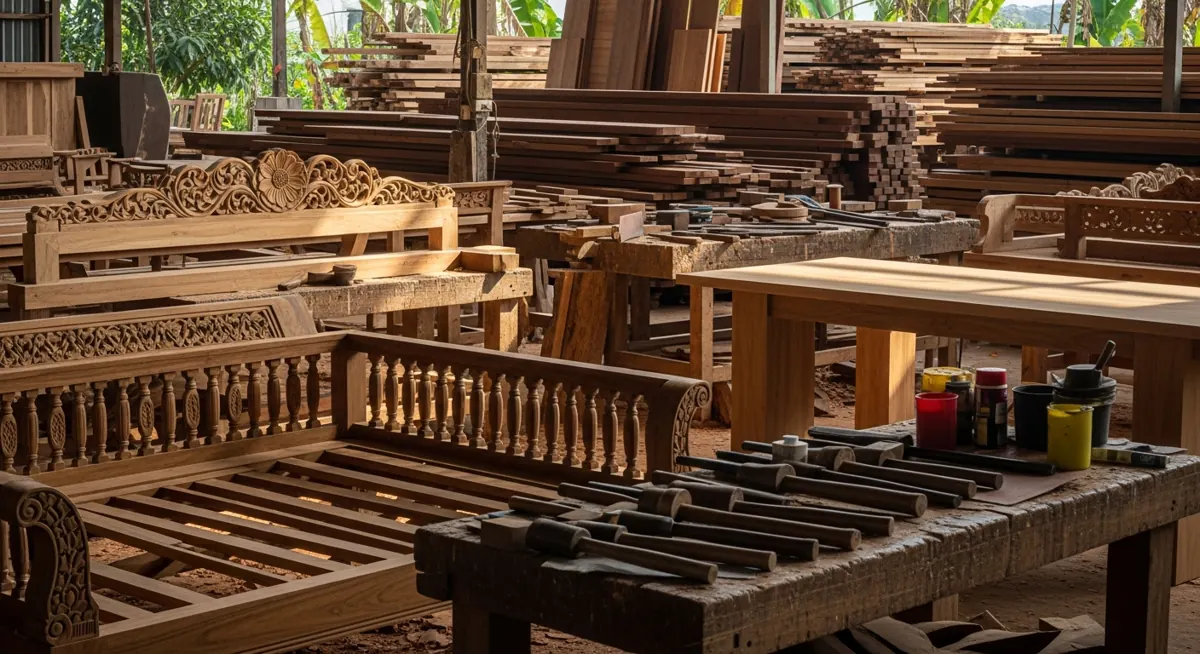
OEM, or Original Equipment Manufacturing, allows buyers to provide their own designs and specifications to a manufacturer. This model is ideal for businesses seeking to maintain control over their product lines and brand identity. With OEM, buyers supply detailed drawings and specifications, which the manufacturer uses to produce custom furniture pieces. This method is beneficial for companies targeting niche markets or requiring specific designs that differentiate them from competitors.
In Indonesia, OEM furniture production often involves materials like solid teak, mahogany, and rattan, sourced from regions such as Jepara and Bali. Orders typically start with a minimum of 5-20 pieces for solid-wood items, with production timelines ranging from 30 to 60 days. The main export seaports for OEM furniture are Tanjung Perak, Tanjung Emas, and Benoa, where orders are shipped FOB, CFR/CNF, or CIF. For more on custom OEM options, visit our custom OEM/ODM furniture page.
Exploring ODM Furniture Manufacturing
ODM, or Original Design Manufacturing, offers buyers pre-designed products that can be customized with their branding. This model is advantageous for businesses looking to quickly expand their product range without investing in design and development. ODM allows for faster market entry and often lower costs due to the use of established designs and economies of scale.
In the Indonesian context, ODM furniture frequently includes contemporary pieces crafted from materials like synthetic rattan and water hyacinth. These products are typically available in larger MOQ tiers, such as 10-30 pieces per model or color. The lead time for ODM products aligns with OEM, generally 30-60 days, with shipping processes similarly handled through key ports. For further insights into current design trends, visit our furniture design trends page.
Comparing OEM and ODM: Key Considerations
When deciding between OEM and ODM, several factors should be considered. OEM offers unparalleled control over aesthetics and branding, making it suitable for high-end or specialized markets. However, it requires significant investment in design and potentially longer production lead times. ODM, on the other hand, provides a ready-to-go solution with quicker turnaround but less flexibility in design.
Buyers must weigh these factors against their business objectives. For instance, if your goal is to establish a distinctive brand with unique pieces, OEM is likely the better choice. Conversely, if speed to market and cost are primary concerns, ODM could be more appropriate. For a deeper understanding of sourcing strategies, explore our sourcing Indonesian furniture guide.
Materials and Quality Assurance
Indonesia is renowned for its high-quality furniture materials, including teak, mahogany, and rattan. Teak, sourced primarily from Jepara, is valued for its durability and aesthetic appeal. Rattan, both natural and synthetic, is a popular choice for outdoor and contemporary designs. Ensuring quality is paramount, and Indonesian manufacturers adhere to the SVLK certification, confirming the legality and traceability of timber used in production.
SVLK certification is mandatory for all wood-product exports from Indonesia and supports compliance with international regulations like the EU Deforestation Regulation and the US Lacey Act. While SVLK ensures legality, some manufacturers offer additional certifications such as FSC for sustainability-conscious buyers.
Logistics and Supply Chain Management
Efficient logistics and supply chain management are critical in furniture export. Indonesian manufacturers offer flexible shipping options, with FOB being the most common Incoterm. Buyers are responsible for booking sea freight and insurance, while the seller handles export clearance and loading at the port.
Understanding container capacity is vital for cost-effective shipping. A 20ft container accommodates approximately 28 CBM, a 40ft container holds about 58 CBM, and a 40HQ can load up to 68 CBM. Mixed-model and mixed-material containers are standard, as long as each item meets its MOQ and the load reaches the minimum CBM.
Lead Times and Payment Terms
Production lead times in Indonesia typically range from 30 to 60 days, depending on order size and specifications. Sea-freight transit times vary by destination, generally between 3-5 weeks to major markets like the US, EU, and Australia. It’s essential to confirm current schedules as they can fluctuate based on routes and seasons.
Payment terms usually involve a deposit of approximately 30-50% by T/T to initiate production, with the balance payable against a copy of the Bill of Lading. These terms are negotiable, particularly for repeat buyers, allowing for tailored financial arrangements that suit both parties.
Finishing Techniques and Quality Control
The finishing process in furniture manufacturing is crucial for achieving the desired appearance and durability of the product. Indonesian manufacturers excel in a variety of finishing techniques, including natural, stained, painted, and distressed finishes. Each technique is selected based on the material and design requirements, ensuring that the final product meets the aesthetic and functional specifications set by the buyer.
Quality control (QC) is integral to the production process, with Indonesian manufacturers implementing stringent QC measures at each stage. This includes inspection of raw materials, in-process checks, and final product evaluations. QC teams use various testing methods to ensure that each piece meets the agreed-upon standards, thereby minimizing defects and rework. For buyers, this rigorous approach to quality assurance translates to reliable product consistency and customer satisfaction.
Packaging and Certification
Proper packaging is essential to protect furniture during transit. Indonesian manufacturers typically use export-grade packaging materials, including cartons, bubble wrap, and corner protectors, to safeguard products against damage. Some offer custom packaging solutions that align with the buyer’s branding and product specifications, enhancing the unboxing experience for end consumers.
In addition to SVLK and FSC certifications, manufacturers may also provide BIFMA certification for certain products, particularly those destined for markets requiring compliance with specific safety and durability standards. BIFMA certification ensures that the furniture meets the rigorous performance criteria set by the Business and Institutional Furniture Manufacturers Association, a key consideration for buyers in the commercial sector.
MOQ Tiers and Customization Options
Minimum order quantity (MOQ) tiers vary depending on the manufacturing model and materials used. For OEM orders, MOQs are generally set lower, accommodating custom designs with a starting range of 5-20 pieces per item. ODM orders, leveraging pre-designed models, typically require higher MOQs, often ranging from 10-30 pieces per color or model.
Customization options are vast, encompassing dimensions, finishes, and upholstery. Buyers can work closely with manufacturers to tailor products that align with their brand identity and market preferences. This flexibility is particularly beneficial for businesses looking to offer exclusive furniture lines or adapt to evolving consumer trends.
Conclusion: Making an Informed Choice
Choosing between OEM and ODM furniture manufacturing models depends on your business needs, market strategy, and product requirements. With Indonesia’s rich resources and skilled craftsmanship, both models offer significant opportunities for wholesale buyers. By understanding the intricacies of each model and aligning them with your business goals, you can make an informed decision that enhances your product offerings and market position.
For personalized assistance and to request a quote, please visit our contact page. Our team is ready to help you navigate the complexities of furniture sourcing and ensure a successful partnership.