

As an international wholesale buyer seeking to source high-quality furniture, understanding the latest furniture design trends for 2023 is crucial. Indonesian furniture manufacturers offer a diverse range of materials and designs that cater to the evolving preferences of global markets. With a commitment to sustainability and compliance, Indonesia remains a reliable partner for your sourcing needs.
Sustainable Materials in 2023 Furniture Design
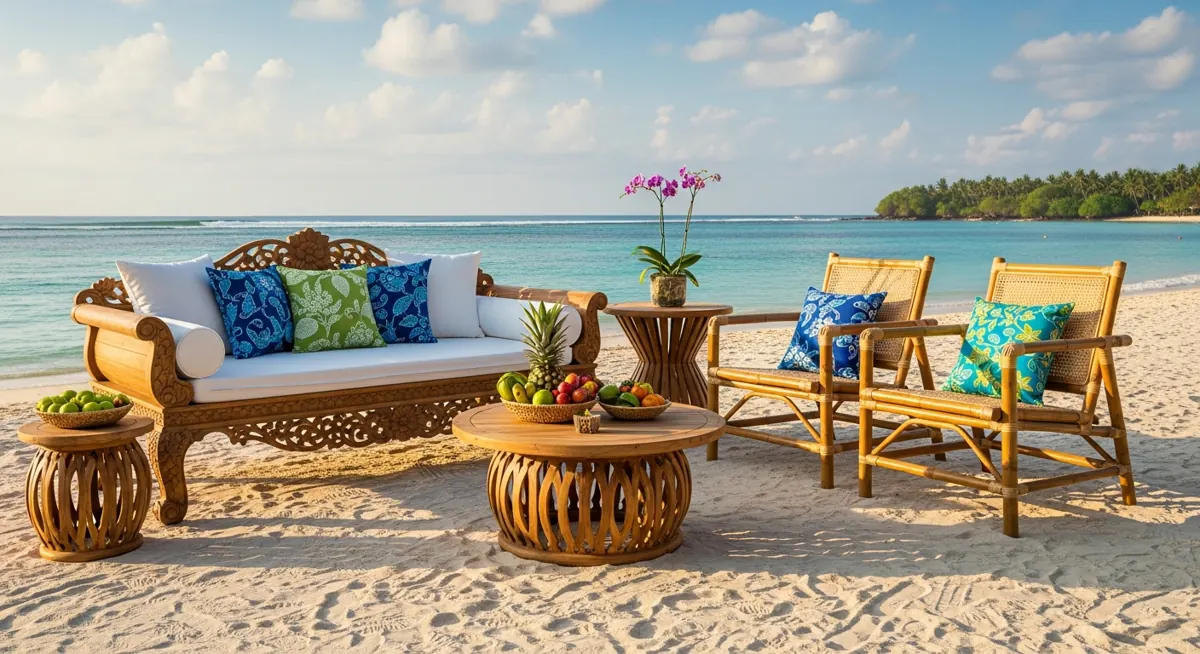
The focus on sustainability continues to shape furniture design trends in 2023. Indonesian manufacturers are utilizing materials such as solid teak, reclaimed teak from Jepara, and mahogany, known for their durability and aesthetic appeal. The use of teak, especially, aligns with eco-friendly practices, as it is both robust and resistant to pests. Additionally, the incorporation of natural rattan and synthetic PE rattan caters to the demand for versatile outdoor furniture. These materials not only meet the aesthetic demands but also adhere to sustainability standards. Importantly, all wood products from Indonesia are subject to the SVLK certification, ensuring that the timber is legally sourced and traceable. This certification supports your due diligence efforts under the EU Deforestation Regulation and the US Lacey Act, providing a solid legal foundation for your sourcing operations.
Design Innovations and Global Market Appeal
In 2023, Indonesian furniture design is characterized by a blend of traditional craftsmanship and modern aesthetics. The rise of live-edge suar/acacia pieces offers unique, organic shapes that appeal to contemporary tastes. Meanwhile, Bali’s design-led approach brings forth rattan and outdoor furnishings that are both stylish and functional. The integration of genuine leather and stone/terrazzo tops into furniture designs adds a touch of luxury, catering to upscale markets. Indonesian manufacturers are adept at OEM and ODM production, allowing buyers to customize designs according to specific market needs. This flexibility ensures that the furniture not only meets aesthetic requirements but also aligns with functional demands. By offering pre-production samples, factories provide assurance of quality and design fidelity before bulk production, reinforcing their credibility in the global market.
Material Grades and Finishing Options
Indonesian furniture manufacturers offer a variety of material grades and finishing options to meet diverse market needs. Teak, for instance, is available in grades A, B, and C, with Grade A being the highest quality, featuring a uniform color and minimal knots. This grade is ideal for high-end indoor furniture. Grade B, which may have some color variations and small knots, is commonly used for mid-range products. Grade C, with more pronounced imperfections, is often utilized for rustic or outdoor pieces. Finishing options range from natural oils and water-based finishes to more durable polyurethane coatings, each offering different levels of protection and sheen. Buyers can choose finishes that align with their market preferences, whether they prioritize a natural look or enhanced durability.
Quality Control and Assurance Processes
Ensuring quality is a top priority for Indonesian furniture manufacturers. Rigorous quality control (QC) processes are implemented at various stages of production. Initial inspections include checking raw materials for defects and ensuring compliance with specified grades. During production, QC teams monitor craftsmanship, ensuring joints, finishes, and structural integrity meet international standards. Final inspections involve comprehensive checks for appearance, functionality, and packaging. Many manufacturers also welcome third-party inspections, allowing buyers to verify quality independently. These stringent QC measures ensure that products meet the high standards expected by global markets, minimizing returns and enhancing buyer satisfaction.
Understanding Minimum Order Quantities and Container Loading
For international buyers, understanding the logistics of sourcing Indonesian furniture is crucial. Minimum order quantities (MOQs) typically vary, with solid-wood furniture requiring 5-20 pieces per item, while woven or rattan items range from 10-30 pieces per model or color. Orders generally fill a minimum of one 20ft container, approximately 25-28 CBM. Mixed-model and mixed-material loading is standard, provided each item meets its MOQ. Container loading capacities are approximately 28 CBM for a 20ft container, 58 CBM for a 40ft, and 68 CBM for a 40HQ. Understanding these logistics helps in planning efficient orders and optimizing shipping costs, ensuring a smooth procurement process.
Lead Times and Incoterms for Efficient Sourcing
Indonesian furniture manufacturers offer competitive lead times and flexible Incoterms to accommodate international buyers. Production lead times typically range from 30-60 days, depending on order size and finishing requirements. For shipping, the most common Incoterm is FOB, where the seller handles export clearance and loading at the port. Main export seaports include Tanjung Perak in Surabaya, Tanjung Emas in Semarang, and Benoa in Bali. Sea-freight transit times are approximately 3-5 weeks to the US, EU, and Australia, with shorter durations to the Middle East and Asia. Buyers can also opt for CFR/CNF or CIF terms, depending on their logistics preferences. These flexible options ensure that buyers can choose terms that best suit their operational needs and timelines.
Compliance and Certification: Navigating SVLK and Beyond
Compliance with international timber legality standards is a cornerstone of Indonesian furniture exports. The SVLK certification is mandatory for all wood-product exporters, ensuring that timber is legally harvested and traceable. This certification is crucial for buyers conducting due diligence under the EU Deforestation Regulation and the US Lacey Act. While SVLK provides legality assurance, some manufacturers also offer FSC certification for added sustainability credentials. Understanding these certifications is essential for buyers looking to align their sourcing with global environmental and legal standards. By choosing Indonesian furniture, buyers gain access to products that meet stringent legality and sustainability criteria, enhancing their market reputation and compliance efforts.
Packing and Shipping: Ensuring Safe Delivery
Proper packing and shipping are vital to ensure that furniture arrives in pristine condition. Indonesian manufacturers utilize various packing methods, including bubble wrap, corrugated cardboard, and wooden crates, depending on the item’s fragility and size. For larger shipments, items are palletized to maximize container space and minimize movement during transit. Moisture-resistant materials are often used to protect products from humidity during sea freight. Shipping companies are carefully selected based on reliability and track record, ensuring timely delivery. By adhering to these packing and shipping standards, manufacturers help prevent damage during transportation, safeguarding the buyer’s investment.
Payment Terms and Negotiations for Secure Transactions
Secure and transparent payment terms are vital for international furniture transactions. Typically, a deposit of approximately 30-50% by T/T (bank transfer) initiates production, with the balance payable against a copy of the Bill of Lading (B/L). These terms are negotiable, especially for repeat buyers, allowing flexibility in financial arrangements. Understanding these payment structures helps in planning cash flow and minimizing financial risks. By establishing clear payment terms, buyers and sellers can foster trust and ensure a smooth procurement process, paving the way for long-term business relationships.
Why Choose Indonesian Furniture for Your Global Market Needs
Indonesia stands out as a premier furniture sourcing destination due to its rich heritage in craftsmanship, diverse material offerings, and commitment to sustainability. With hubs like Jepara renowned for teak and classic furniture, and Bali for contemporary designs, Indonesia caters to a wide range of market preferences. The country’s strategic location and robust supply chain infrastructure further enhance its appeal to international buyers. By choosing Indonesian furniture, buyers benefit from a combination of traditional artistry and modern design, supported by compliance with international legality standards. For more insights on the advantages of Indonesian furniture, explore our page on Why Choose Indonesian Furniture.
Ready to explore sourcing opportunities with us? Contact us through our contact page or request a quote to discuss your specific needs. Our team is committed to providing you with high-quality furniture solutions that meet your market demands.