

As an international wholesale buyer sourcing furniture from Indonesia, understanding the various factors affecting lead times is crucial for planning your procurement strategies. With Indonesia being a significant player in the global furniture export market, especially from hubs like Bali and Jepara, it’s essential to navigate the complexities of production and logistics to ensure timely and efficient delivery of your orders.
Understanding Furniture Lead Times in Bali
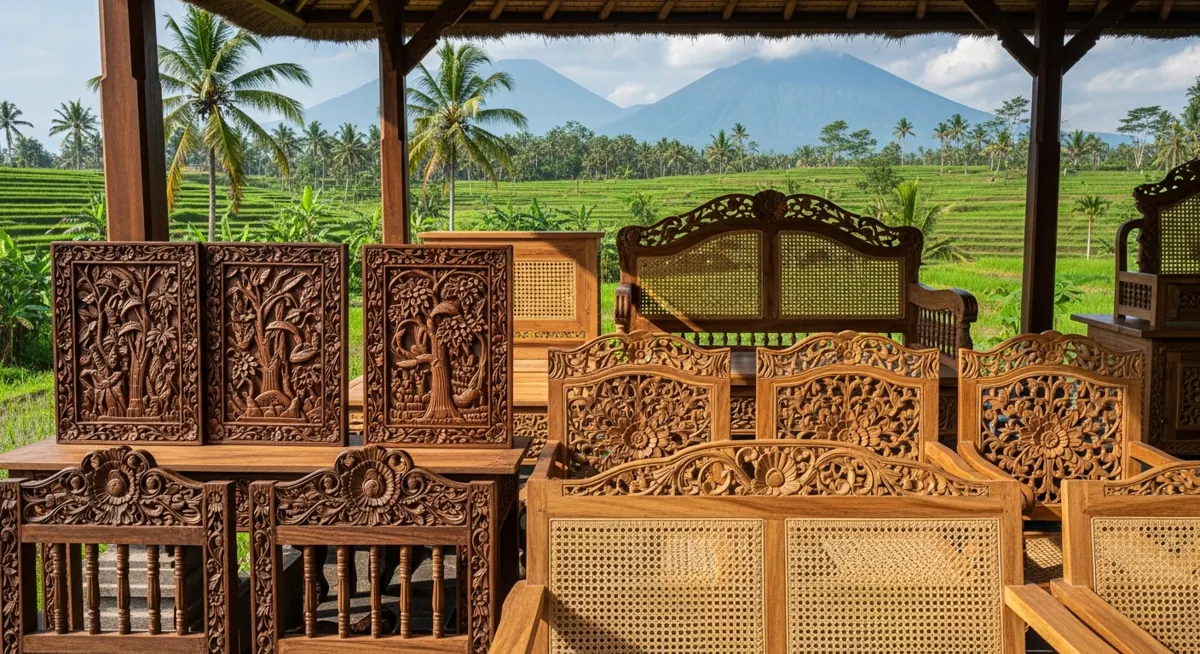
Lead times in furniture manufacturing and export from Bali are primarily influenced by several key factors, including material availability, production processes, and shipping logistics. Typically, production times range from 30 to 60 days, depending on the complexity and size of the order. For instance, orders involving intricate designs or custom specifications might require additional time for manufacturing. It’s important to note that sea freight transit times to major markets such as the US, EU, and Australia generally take about 3-5 weeks, although this can vary based on the shipping route and season. Buyers are encouraged to confirm current shipping schedules to ensure accurate delivery timelines.
Material Availability and Its Impact
The availability of materials significantly impacts the lead times for furniture production. Indonesia offers a wide range of materials, including solid teak, reclaimed teak, mahogany, suar/acacia, rattan, and synthetic/PE rattan. Each material has its own sourcing and processing requirements. For example, teak sourced from Jepara might have different availability periods compared to rattan from Bali. Additionally, the legality and sustainability of wood are assured through Indonesia’s SVLK certification system, which mandates that all wood products are legally harvested and traceable. This system supports international buyers in meeting due diligence requirements under regulations like the EU Deforestation Regulation and the US Lacey Act.
Production Complexity and Order Size
The complexity of the production process and the size of the order are critical factors influencing lead times. Custom designs or intricate craftsmanship, such as those involving hand-carved details or unique finishes, may extend production timelines. Additionally, the order size can affect the lead time, with larger orders generally requiring more time to complete. Typically, solid-wood furniture requires a per-item MOQ of 5-20 pieces, while woven or rattan items have an MOQ of 10-30 pieces per model or color. It’s standard practice in Indonesia to allow mixed-model and mixed-material containers, provided each item meets its MOQ and the overall load meets the minimum CBM requirements.
Shipping Logistics and Container Loading
Shipping logistics play a significant role in determining the overall lead times for furniture exports. The primary ports for furniture export from Indonesia include Tanjung Perak in Surabaya, Tanjung Emas in Semarang, and Benoa in Bali. The choice of shipping terms, such as FOB (Free on Board), CFR (Cost and Freight), or CIF (Cost, Insurance, and Freight), influences the responsibilities of the buyer and seller. Typically, a 20ft container holds approximately 28 CBM of furniture, a 40ft container about 58 CBM, and a 40ft High Cube container approximately 68 CBM. It’s important for buyers to understand these logistics, as they affect both shipping costs and delivery times. For more detailed information, refer to our mixed container loads export guide.
Quality Control and Inspection Standards
Ensuring high-quality standards is paramount in the furniture export industry. Indonesian manufacturers often implement rigorous quality control (QC) procedures to meet international standards. QC processes typically include inspections at multiple stages of production, such as raw material inspection, in-process quality checks, and final product inspection. This multi-tiered approach helps in identifying potential quality issues early, ensuring that the final products meet the buyer’s specifications. For buyers, understanding the QC measures in place can provide assurance regarding the consistency and reliability of the products they receive. It’s advisable to discuss and agree upon QC standards with suppliers to align expectations and avoid discrepancies.
Finishing Techniques and Options
The finishing process is a critical aspect of furniture production, affecting both aesthetics and durability. Indonesian manufacturers offer a variety of finishing options, including natural, stained, painted, and distressed finishes. Each option requires specific techniques and materials, influencing production times and costs. Natural finishes highlight the wood’s inherent beauty, while stained finishes can enhance or alter the wood’s color. Painted finishes provide a wide range of color options, and distressed finishes offer a vintage look. Buyers should consider their target market’s preferences and discuss available finishing options with suppliers to ensure the final product aligns with market demands.
Regulatory Compliance and Certifications
Compliance with regulatory standards and certifications is crucial for international furniture exports. The SVLK certification is mandatory for all Indonesian wood-product exporters, ensuring that timber is legally harvested and traceable. This certification is pivotal for buyers in markets with stringent legality and sustainability requirements, such as the EU and the US. Additionally, some factories may offer FSC certification as an additional sustainability assurance. Buyers should verify the certifications and regulatory requirements applicable to their specific markets during the sourcing process to avoid potential compliance issues.
Payment Terms and Financial Arrangements
Understanding the financial arrangements and payment terms is essential for managing the procurement process effectively. Typically, a deposit of approximately 30-50% via T/T (bank transfer) is required to initiate production, with the balance payable against a copy of the Bill of Lading. For repeat buyers, terms may be negotiable. It’s advisable for buyers to confirm these payment terms with their suppliers to ensure clarity and avoid any misunderstandings. Establishing a solid financial arrangement is crucial for maintaining a smooth and efficient procurement process.
Minimum Order Quantity (MOQ) and Customization
The Minimum Order Quantity (MOQ) is an important consideration for wholesale buyers. MOQs vary based on the type of furniture and materials used. For instance, solid wood items typically have an MOQ of 5-20 pieces per item, while rattan or woven items may require 10-30 pieces per model or color. Customization options, such as changes in design, finish, or size, may also affect the MOQ. It’s crucial for buyers to communicate their specific needs and negotiate MOQs with suppliers. Understanding MOQ tiers and customization possibilities allows buyers to plan their orders effectively and meet market demands without overstocking.
Contact and Request for Quote
For more detailed information on sourcing Indonesian furniture or to request a quote, please contact us at WhatsApp +62 811-3941-4563 or email [email protected]. Our team is ready to assist you with your specific needs and provide comprehensive support throughout the procurement process. We invite you to explore our sourcing Indonesian furniture page for additional insights and guidance. To initiate a request for quote, please visit our contact page and follow the RFQ process outlined there.